Understanding Euro Profile Cylinders and Their Global Footprint
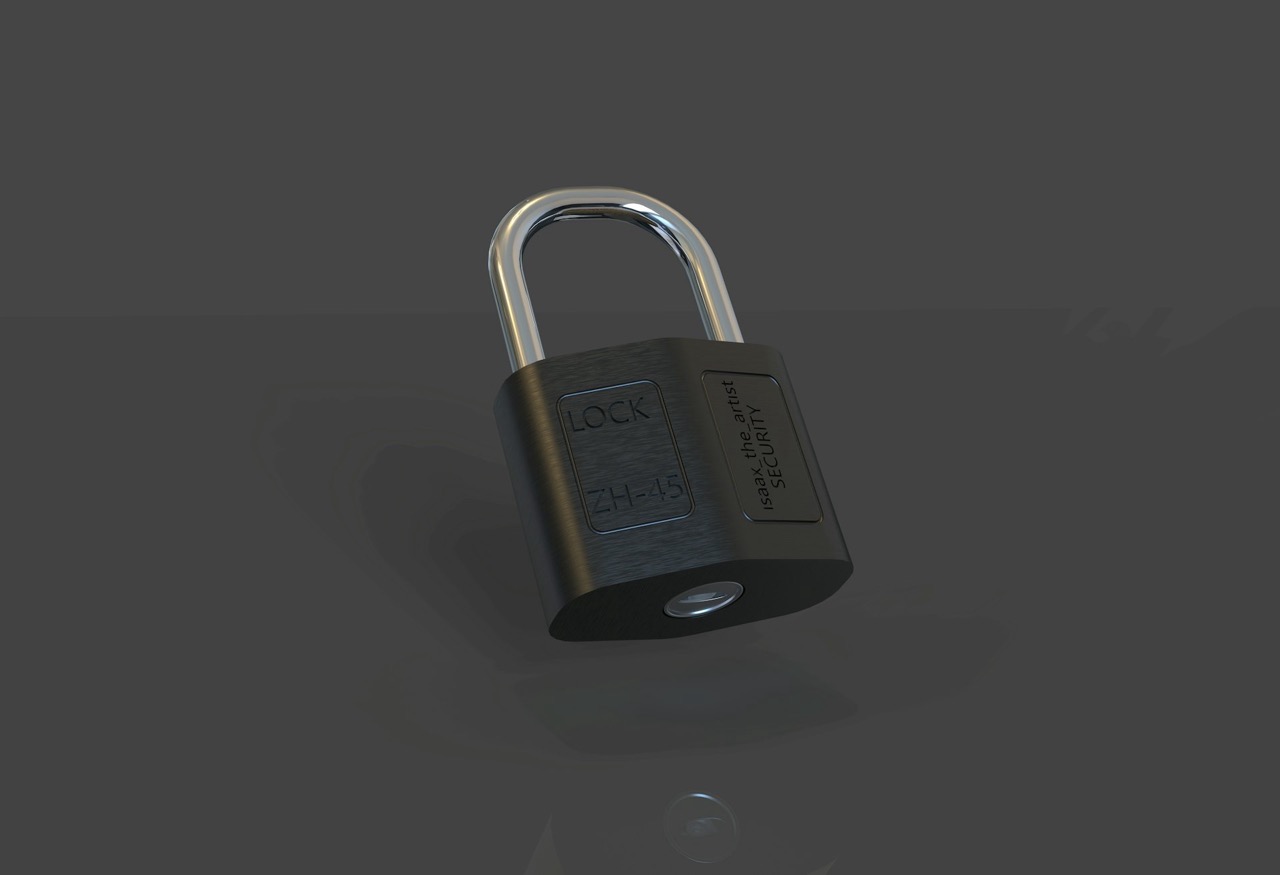
Pull the handle off a patio door, a European front door, or a multipoint locking system and the lock cylinder that comes out has an unmistakable outline: a wide circular section at the top where the pins live, tapering to a narrow rectangular body below. That keystone silhouette is the euro profile, and it is one of the most successful standardizations in door hardware.
The Shape, the Cam, and the Single Screw
The profile is defined by a DIN dimensional standard, which is why cylinders from unrelated manufacturers in different countries drop into the same lock case. The circular upper portion houses the plug and the pin chambers. The narrow lower portion is a web connecting the two halves and providing clearance for the cam.
The cam is a small lobe on a shaft at the center of the cylinder. It does not lock anything itself. It simply rotates and pushes on the lock case's internal mechanism, which throws the bolt or drives the gearbox of a multipoint system. That separation of key mechanism from bolt mechanism is the design's core idea.
Retention is a single machine screw entering from the door edge, through the faceplate, into a threaded hole in the narrow web. One screw, and the cylinder slides out.
Sizing and Protrusion
Euro cylinders are measured from the screw hole outward to each end, and quoted as two numbers, for example 35/45. The first is the external side, the second internal, and the total plus the two measurements should always be checked against the actual door.
Protrusion is where installations go wrong. If the cylinder sticks out past the escutcheon or handle plate by more than a few millimetres, that projecting section can be gripped, wrenched, or levered by a tool. A correctly specified cylinder sits flush or very slightly proud. Getting the two halves right also matters: a cylinder that is too short on one side will not reach the mechanism, and one that is too long on the inside intrudes on the door face.
Modularity Is the Genuine Advantage
Because the cylinder is a self contained module retained by one screw, you can change the entire key system without touching the lock case, the door prep, the handles, or the finish. Rekeying a property means pulling cylinders and fitting new ones, a job measured in minutes per door. Upgrading from a basic cylinder to a high security one is the same operation. In a North American bored lock, by contrast, the cylinder is more entangled with the chassis.
The Narrow Waist Problem
The web that makes the profile compact is also its weakest cross section, and it sits right where the fixing screw passes through. Grip the protruding end with pliers or a purpose made tool, apply bending force, and the cylinder can be snapped at that waist, exposing the cam.
The standards response has been to grade cylinders on tested attack resistance rather than on claims. BS EN 1303 applies to cylinders and their keys for locks normally used in buildings, and it establishes six grades of key related security based on design requirements plus five further grades based on performance tests that simulate an attack. Two separate axes, in other words: how hard the key system is to duplicate or manipulate, and how the physical body holds up under assault.
Sacrificial Design
Cylinders built to resist snapping generally take one of two approaches, and often both. Hardened inserts and reinforced webs raise the force required. Sacrificial break lines are deliberate weak points machined outboard of the cam, so that when the cylinder does fail it sheds only the exposed outer section, leaving the central cam area intact and still secured within the case. Anti drill pins and hardened plates protect the plug itself.
In the United States, the parallel benchmark for a high security cylinder of any profile is UL 437, the standard covering key locks, including door locks and locking cylinders. It is a different test regime, so a UL 437 listing and a European grade are not directly interchangeable claims.
Where North Americans Encounter Them
Sliding and hinged patio doors, imported and European style entry doors, storefront and commercial hardware, multipoint locking systems on high performance windows and doors, and a growing amount of aftermarket smart hardware built around the euro format. If you have one, measure it before ordering a replacement and ask a licensed locksmith about the protrusion.
Hiring a locksmith instead?
Our directory lists locksmith shops in every US state with their public address, phone, and website, so you can call a real local business instead of a lead broker.
Find a locksmith near you