Renters' Security Options When You Cannot Modify the Door
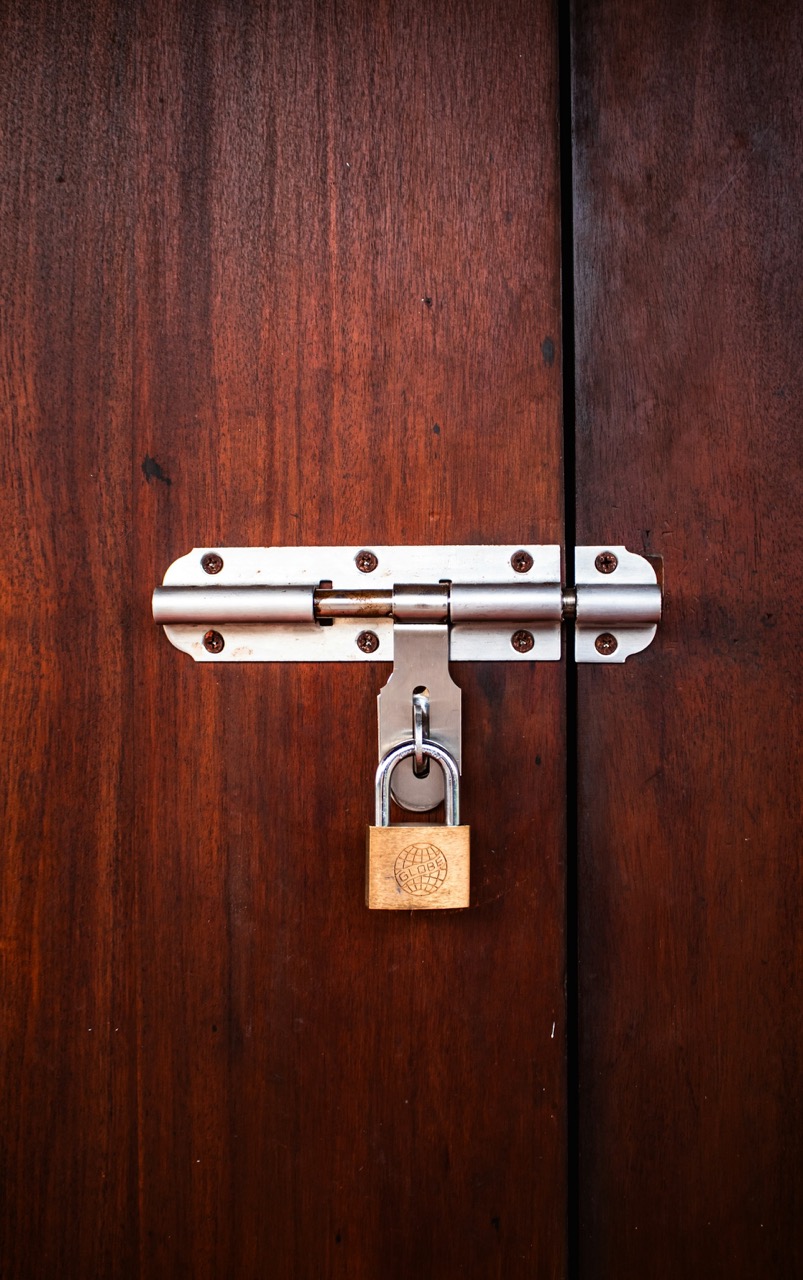
The standard renter's constraint is real: you do not own the door, the frame, or the cylinder, and a lease usually prohibits altering any of them. What that constraint actually rules out is narrower than most renters assume, and there is a step people skip that costs nothing.
This article is general information, not legal advice. Landlord and tenant law is state law and it varies substantially. For your situation, talk to a licensed attorney in your state or your local tenant assistance organization.
Start With What the Landlord Already Owes You
Several states impose affirmative duties on landlords regarding locks, and those duties are often more specific than tenants expect. California is a clear example. Under California Civil Code section 1941.3, a landlord of a residential dwelling must install and maintain an operable deadbolt on each main swinging entry door, with the bolt extending at least 13/16 of an inch beyond the strike edge into the jamb; must install and maintain operable window security or locking devices on windows designed to open, with specified exclusions; and must install locking mechanisms complying with fire and safety codes on exterior doors serving common areas in multifamily developments.
Other states set their own rules, including rekeying obligations between tenancies and defined response times when a tenant requests a lock change after a break in. The practical implication is the same everywhere: before you buy anything, find out what your state requires and what your landlord is already obligated to provide. A written request that cites a specific statutory duty tends to move faster than a general complaint.
Ask Properly Before You Drill
If you want a better cylinder or an auxiliary lock installed, ask in writing, describe exactly what would be installed and by whom, and offer to leave it in place at move out or restore the door to its original condition. Many landlords say yes to a specific, professional proposal and no to a vague one. Get any approval in writing. Doing the work first and asking later is how security deposits disappear.
Non Permanent Options and Their Limits
Door braces that wedge under the knob or into a floor plate, portable travel locks that clamp to the strike, and hinge side jammers all add resistance without a fastener in the door. They vary widely in how much they actually do. A brace bearing on carpet or a floating floor transfers much less than one on a solid surface, and a clamp on a lightweight hollow metal frame is limited by the frame, not the clamp. Rubber wedges are the weakest of the category and should be treated as a noise maker rather than a barrier.
The Egress Constraint You Must Not Ignore
Any device that blocks a door from the inside sits directly against life safety requirements, and this deserves more care than it usually gets. The governing principle across model codes is that a means of egress has to be operable from the inside without keys, tools, or special knowledge. You can see the same rule expressed in residential form in state guidance on emergency escape and rescue openings, which requires that the opening and any bars or covers over it be releasable from the inside on those terms, and in workplace form in the federal exit route standard at 29 CFR 1910.36, which states that employees must be able to open an exit route door from the inside at all times without keys, tools, or special knowledge.
Applied to an apartment, that means a device requiring two hands, a specific trick, or a light to release is a device that can fail you in smoke. Whether any particular device is permitted in your unit is a question for your local fire code official or authority having jurisdiction, and it is worth a phone call rather than a guess. Anything you use should come off in one obvious motion, in the dark, by anyone in the household including a guest who has never seen it.
Retrofit Electronics and Documentation
Interior side smart lock adapters that turn the existing thumbturn preserve the landlord's cylinder entirely, which is usually what makes them acceptable. They give you code based access for guests and a log of when the deadbolt moved.
That log points at the renter's real advantage. You cannot rebuild the door, but you can detect and record. Contact sensors, a camera covering the entry from inside your unit, and a written record of every maintenance request and every entry you did not authorize give you both awareness and evidence. Documentation is the lever that makes a landlord act.
Hiring a locksmith instead?
Our directory lists locksmith shops in every US state with their public address, phone, and website, so you can call a real local business instead of a lead broker.
Find a locksmith near you