Patio, Garage, and Side Doors: The Overlooked Perimeter

Homeowners spend on the front door because that is the door guests see. The openings that actually deserve the attention are the ones nobody looks at: the garage, the pedestrian door between the garage and the house, and whatever side or rear door sits behind a fence with no sightline from the street. Federal victimization data treats these as part of the same problem. The National Crime Victimization Survey definition used in the Bureau of Justice Statistics report Household Burglary, 1994-2011 counts illegal entry of a garage, shed, or any other structure on the property's premises as a household burglary.
The Garage Is a Room With No Witnesses
Once the overhead door is down, the garage becomes an enclosed space with no exterior sightlines. Anything happening inside is invisible from the street, from neighbors, and usually from the house. That is the opposite of every principle that makes the front of a home a poor target.
It is also, for most households, where the tools live. Pry bars, hammers, cordless drills, ladders, and grinders are all sitting there, which means an attacker who gets into the garage has both privacy and equipment before encountering the door that actually leads into the house.
The Door You Have Been Ignoring
The pedestrian door between an attached garage and the living space is very frequently the weakest opening in the entire home. Builders often specify an interior grade slab there, sometimes hollow core, hung in a light frame with a builder grade knob lock and no deadbolt at all. The reasoning is that it is an interior door, and structurally the garage is inside. Security-wise it is not.
Treat it as an exterior door. That means a solid core or exterior rated slab, a deadbolt, a reinforced strike plate with screws long enough to reach the framing behind the jamb, and the habit of actually locking it. Fire separation requirements between an attached garage and a dwelling also apply to this opening in most codes, so confirm the door assembly and any self closing requirement with your local building department before replacing it.
The Emergency Release
Every overhead opener has a manual release, usually a cord with a handle, that disconnects the door from the trolley so it can be opened by hand during a power failure. It is a required safety feature and nothing here suggests disabling it.
The relevant point is simply that the release is designed to be easy to operate, and its position near the top of the door is not far from the outside. Manufacturers and installers offer shields and repositioning approaches that keep the release usable from inside while making it less accessible from outside the closed door. Ask your opener's installer or manufacturer what they recommend for your model, and confirm any modification does not compromise the safety function. Also make sure nobody in the household could be trapped by the change.
Rolling Codes Are Not Magic
Older openers transmitted a fixed code, which meant a captured transmission could simply be replayed. Rolling code systems replaced that: the remote and the receiver advance through a synchronized sequence so a given code is not accepted twice. It was a real improvement and it is why almost everything sold today uses it.
It is not, however, unbreakable, and the security research literature has documented that clearly. Researchers examining the KeeLoq code hopping scheme, which the authors note is widely used in remote keyless entry for purposes including garage door openers, published Physical Cryptanalysis of KeeLoq Code Hopping Applications, demonstrating practical attacks against commercial devices, including recovery of secret key material through side channel analysis and a denial of service approach against such systems.
The defensive takeaway is about system design, not about any single product. Rolling code protects the radio link and nothing else. If your opener predates rolling codes, replacing it is a clear upgrade. Beyond that, do not let the radio link be the only thing standing between the outside world and your house: keep the interior door properly locked, and do not leave a garage remote clipped to a visor in a car parked outside.
Side and Rear Doors
Attackers prefer to work unobserved. The NIJ research report on the physical environment and crime reviews the literature linking design, layout, territorial features, and deterioration to crime outcomes, while cautioning that those effects are contingent on social context and difficult to isolate.
Practically: trim the shrub that screens the side door, make sure something illuminates the rear approach, and give side and rear doors hardware parity with the front. It is common to find a good deadbolt at the front entrance and a decades old builder lock on the door that faces the alley.
Walk the Perimeter and Score It
Give each exterior opening, including the garage and any outbuilding, a score of zero to three on four questions.
- Visibility: would an attempt here be seen from a street, a neighbor, or a window?
- Lighting: is the approach lit after dark?
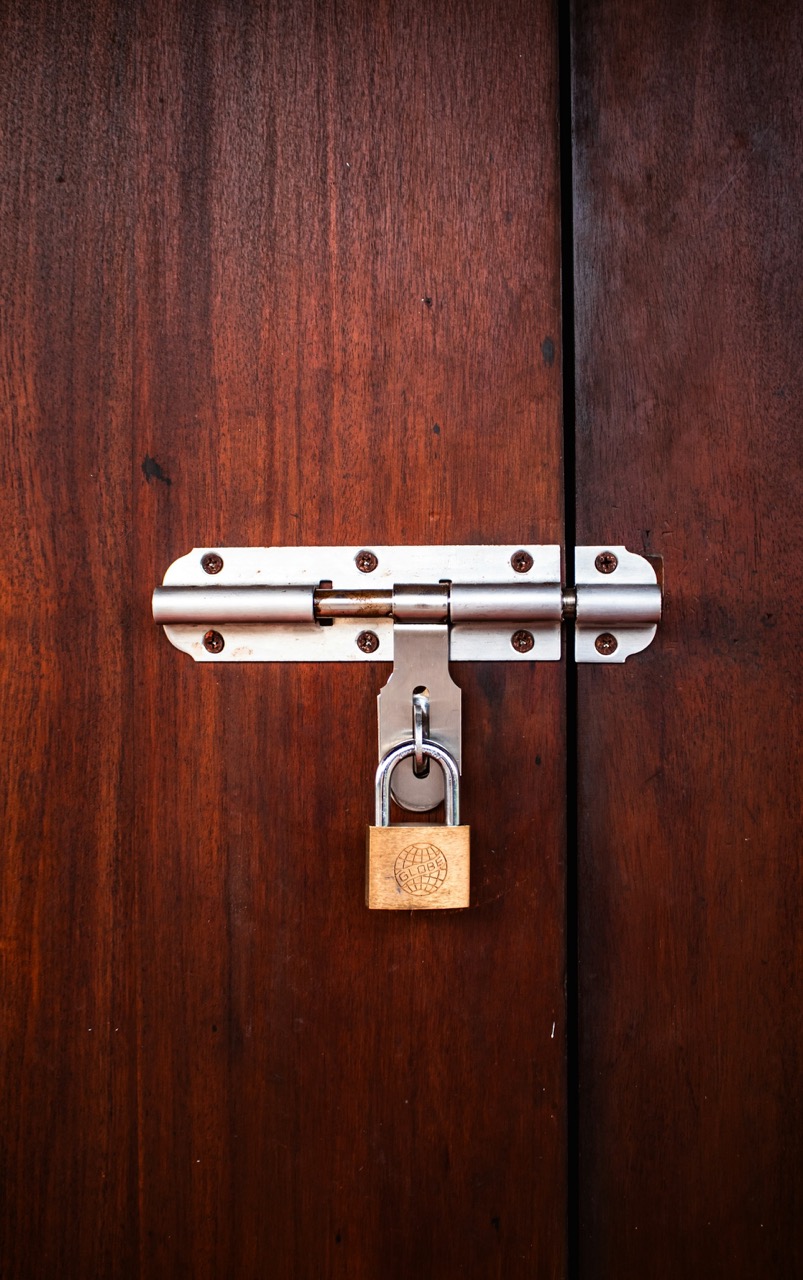
- Hardware: deadbolt, reinforced strike, long screws, solid slab?
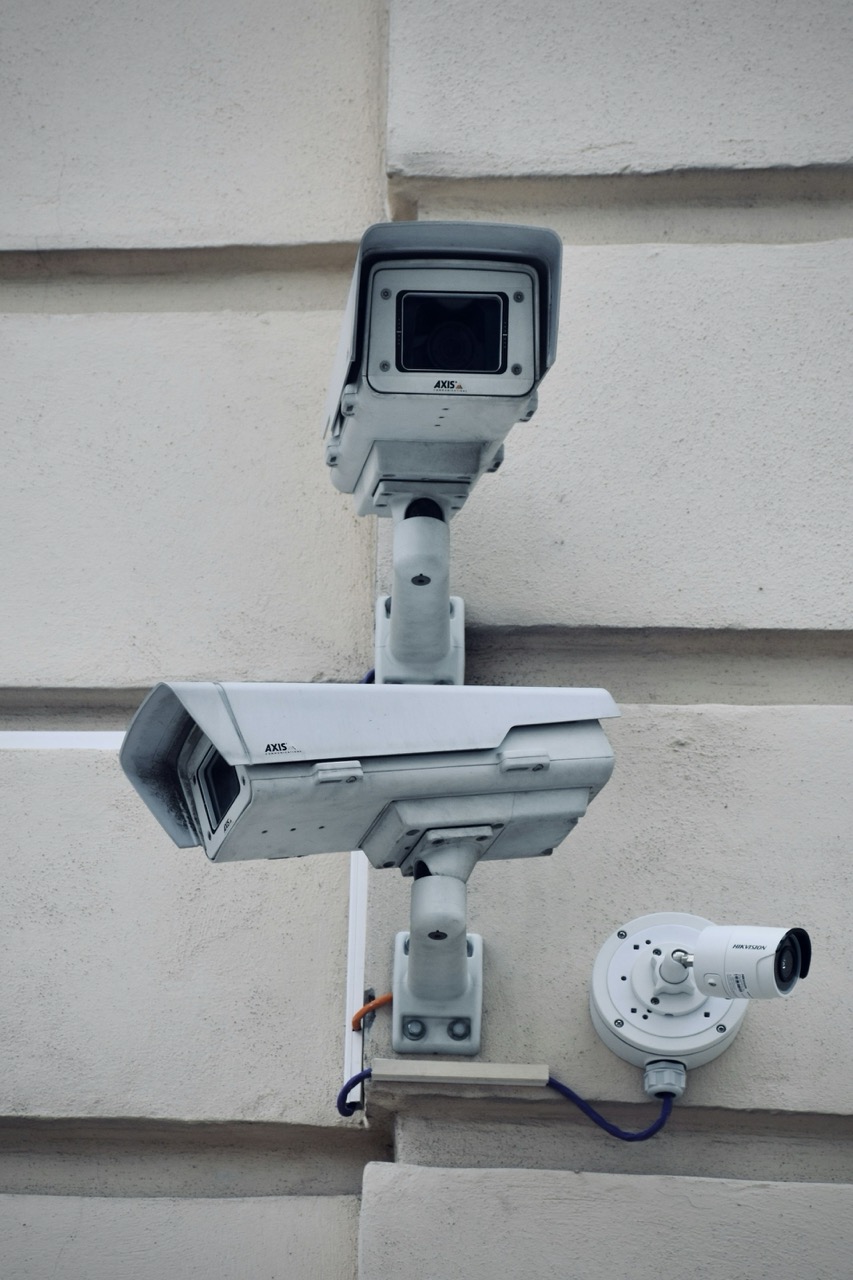
- Detection: is there a sensor on this opening?
Fix the lowest scoring opening first, not the most visible one. That is almost always the side door or the one into the garage.
Hiring a locksmith instead?
Our directory lists locksmith shops in every US state with their public address, phone, and website, so you can call a real local business instead of a lead broker.
Find a locksmith near you