Key Duplication Laws and Do Not Duplicate Stamps: What They Do

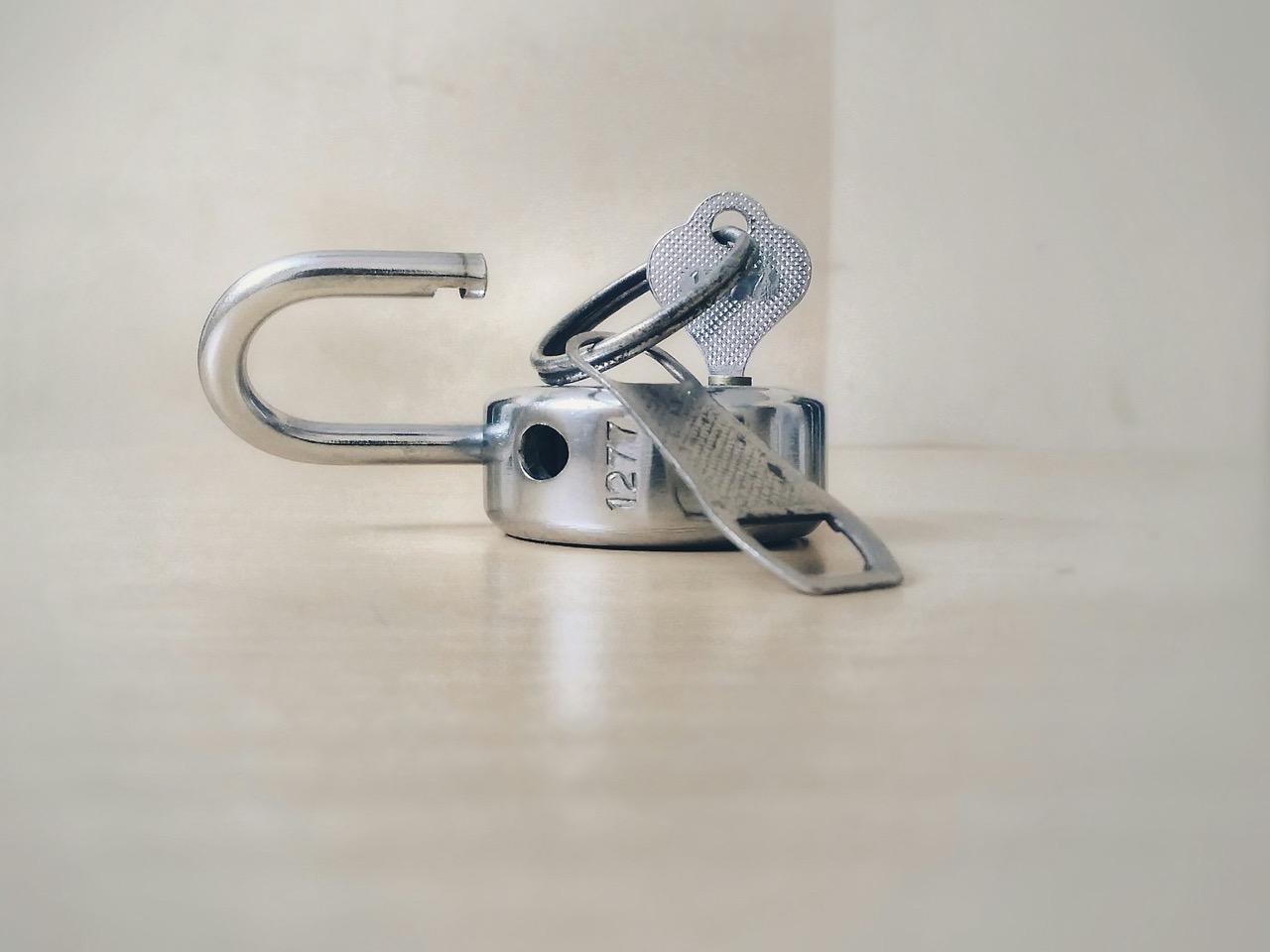
Stamping a key with the words Do Not Duplicate feels like it should mean something. In most everyday situations it does not mean what people think. The marking is a request directed at whoever is asked to cut the copy, and there is no general federal statute that makes ignoring it unlawful. The key blank still fits the machine, the cuts are still readable, and nothing about the stamp physically prevents a copy.
Why the Stamp Persists Anyway
The stamp survives because it does change behavior at the margin. Many established locksmiths and some retail key counters decline these requests as a matter of shop policy or professional convention, and a clerk who notices the marking may simply refuse rather than argue. That is genuine friction, and for casual copying it is sometimes enough.
It is friction with an obvious gap, though. A person who wants the copy can go to a different counter, use a self service kiosk that never inspects the bow, or use a photo based duplication service that reads the cuts from an image and mails a cut key. None of those pathways involve a human weighing whether to honor the stamp. The practical result is that a Do Not Duplicate marking can create a false sense of security, which is worse than knowing you have none.
What State Law Actually Regulates
Key related statutes do exist, but they generally target narrower conduct than blanket duplication. Three examples show the pattern.
Arizona regulates possession of certain key types outright. Under Arizona Revised Statutes section 13-1505, it is unlawful to buy, sell, transfer, possess, or use a motor vehicle manipulation key or master key, with exceptions for licensed vehicle dealers, manufacturers, key manufacturers in the lock and key business, locksmiths, financing institutions, and law enforcement, and with a limited allowance for possessing one manipulation key absent criminal intent. Violation is a class 6 felony.
Maine addresses keys within its burglar's tools statute. Maine Title 17-A section 403 makes it an offense to possess tools adapted, designed, or commonly used for advancing crimes involving unlawful entry, and it names a master key designed to fit more than one lock explicitly, with intent as the operative element.
California restricts duplication in a specific institutional context. California Penal Code section 469 makes it a misdemeanor to knowingly make, duplicate, cause to be duplicated, or use a key to a building or area owned, operated, or controlled by the state, or by a county, city, public school, or community college district, without authorization.
Read together, these show what the legal landscape looks like: intent based offenses, restrictions tied to particular key types, and protections for public buildings. What they do not show is a general prohibition on copying a residential or commercial key that happens to carry a stamp.
The Enforceable Alternative Is Mechanical and Contractual
Real key control comes from making the copy hard or unlawful to produce rather than asking politely. Restricted keyways limit which blanks physically fit. A patent on the blank or its mechanism gives the holder an exclusive right to exclude others from making or selling it, which is the mechanism the USPTO describes in its overview of patent essentials. Layered on top, authorized dealer networks and signature card procedures control who may order keys at all.
The difference is categorical. A stamped standard key relies on a stranger's discretion. A patented restricted key relies on blank availability and enforceable rights.
Kiosks and Photo Based Services
Self service duplication kiosks and photograph based cutting services deserve specific mention because they change the threat model. They shorten the time a key needs to be out of your possession, and in the photo case they remove the need for possession at all beyond a clear image. That is a reason to treat photographs of keys as sensitive, and a reason not to rely on any control that depends on a person looking at the key bow.
A Note on Jurisdiction
This is general information about how these systems work, not legal advice. Statutes on key duplication, possession of tools, locksmith regulation, and access to rental property vary considerably from state to state and change over time. For a question about your own situation, consult a licensed attorney in your state or contact the relevant state agency.
Hiring a locksmith instead?
Our directory lists locksmith shops in every US state with their public address, phone, and website, so you can call a real local business instead of a lead broker.
Find a locksmith near you